
Prostate Cancer Treatment
Robotic Radical Prostatectomy
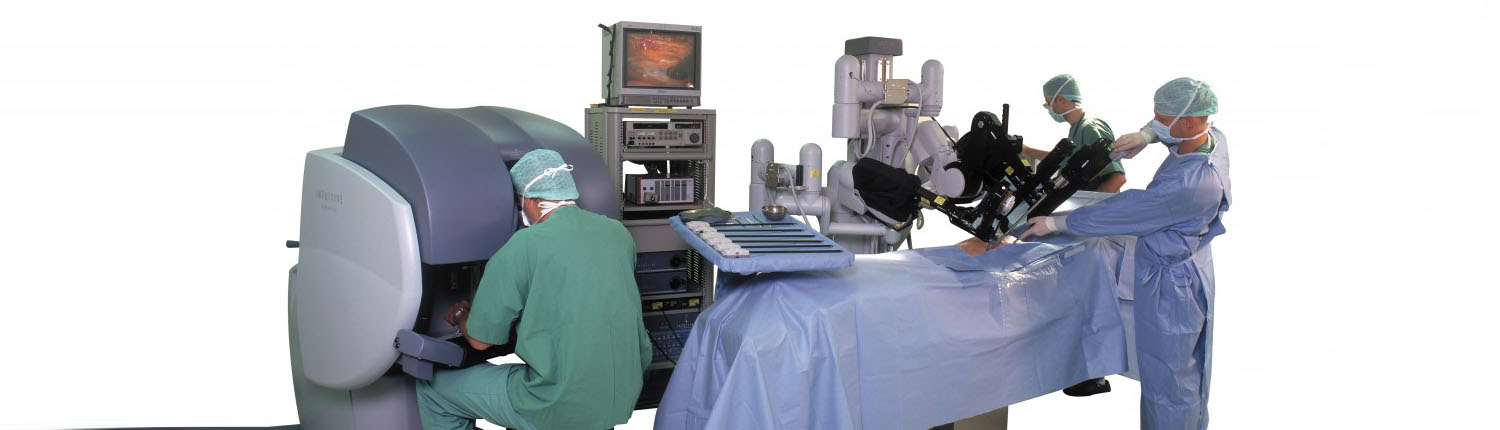
Surgery involves removing the prostate gland completely, using the daVinci robotic system for a magnified 3D view and precise robotic control.
Dr Tony Gianduzzo's practice focuses on the diagnosis and risk assessment of prostate cancer. When surgery is indicated, he commonly refers patients to A/Prof Troy Gianduzzo, his brother. The two practices are independent, and Dr Gianduzzo has no financial interest in A/Prof Troy Gianduzzo's practice. Dr Gianduzzo is also happy to refer patients to any urologist of their choice. Learn more about A/Prof Troy Gianduzzo →
A/Prof Troy Gianduzzo has performed more than 1,700 major robotic and laparoscopic urological surgeries, trained at the Cleveland Clinic's Glickman Urological Institute (personally invited by Professor Inderbir Gill), and is internationally accredited as a Surgeon of Excellence in Robotic Surgery by the US-based Surgical Review Corporation.
Retzius-Sparing Technique
A particular point of difference in this referral pathway: A/Prof Troy Gianduzzo is one of only a small number of surgeons in Australia offering Retzius-sparing robotic radical prostatectomy. By preserving pelvic structures usually removed in standard surgery, it leads to significantly faster return of continence - around 70-90% of men are pad-free within one month, compared with 20-30% after standard surgery.
He pioneered this technique in Australia (with Dr Philip Dundee, Melbourne, publishing the country's first series), training directly with its originators in Milan and London, and later hosted an international workshop on the technique at the Wesley Hospital. Not every patient is suitable, but it can make a significant difference for those who are. Learn more about Retzius-sparing surgery →
Advantages
The entire prostate is removed. If needed, radiotherapy can still be used afterwards.
Disadvantages and Risks
Impotence is common, even with nerve-sparing. Incontinence is common at first - with standard surgery, about 80% improve within a year, though 3-5% need long-term pads; Retzius-sparing generally shortens this. Other risks include blood clots, infection, injury to nearby structures, and a small risk of death. Fertility is lost.
Outcomes
Published results from A/Prof Troy Gianduzzo's series compare favourably with international literature on margins, continence, and potency. Full detail is on his website. Learn more → As with any prostate surgery, urinary and erectile function are commonly affected to some degree, regardless of technique.