
Prostate Cancer Treatment
Radiotherapy
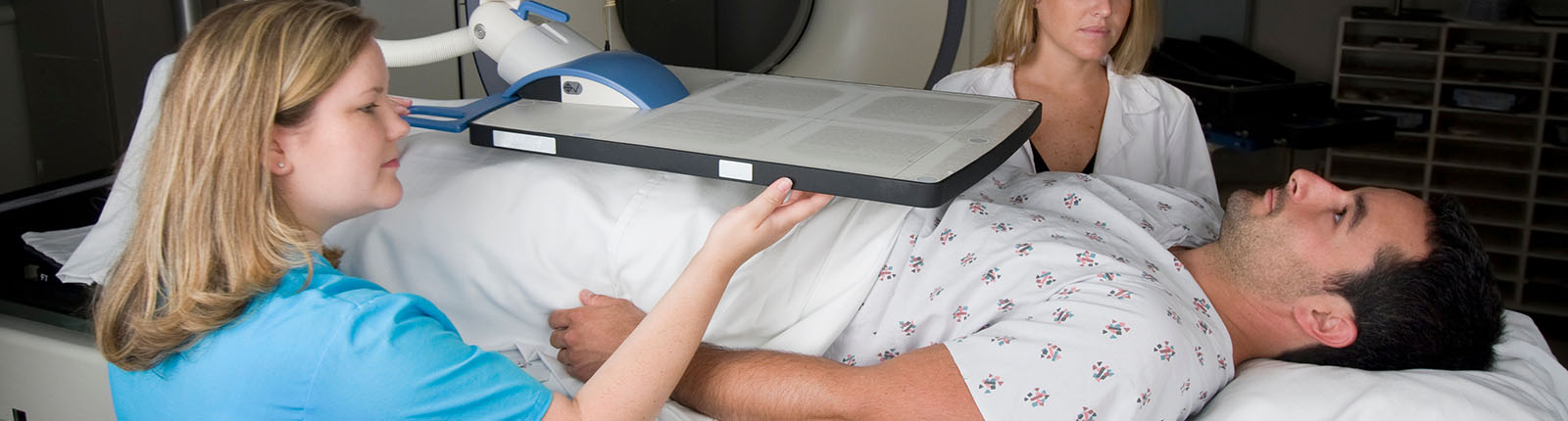
Radiation can target the prostate from outside the body (external beam radiotherapy) or by placing radioactive sources directly into the prostate (brachytherapy). Often, hormone treatment is given at the same time.
Dr Tony Gianduzzo's practice is focused on the diagnosis and risk-assessment of prostate cancer. Where investigation shows radiotherapy is the right path, he commonly refers patients to Dr Brad Wong, a radiation oncologist at GenesisCare Buderim. Dr Gianduzzo is also happy to refer patients to any radiation oncologist of their choice. Learn more about Dr Brad Wong →
Advantages
Radiotherapy avoids major surgery, carries a lower risk of incontinence compared to surgery, and can treat nearby tissues if the cancer is close to spreading.
Disadvantages and Risks
Treatment requires several weeks. Salvage treatment is difficult if the cancer comes back, and impotence becomes more common over time. Bladder or bowel irritation (urgency, bleeding, pain) is possible, and rarely, fistulas (abnormal connections) can form.
Types of Radiotherapy
External beam (EBRT): Daily sessions over about 4 weeks.
HDR brachytherapy: Temporary radioactive wires placed through the skin.
LDR brachytherapy ("seeds"): Permanent radioactive seeds inserted into the prostate.